A comprehensive guide to the four major categories of hygiene necessary for maintaining a healthy and disease-free lifestyle.
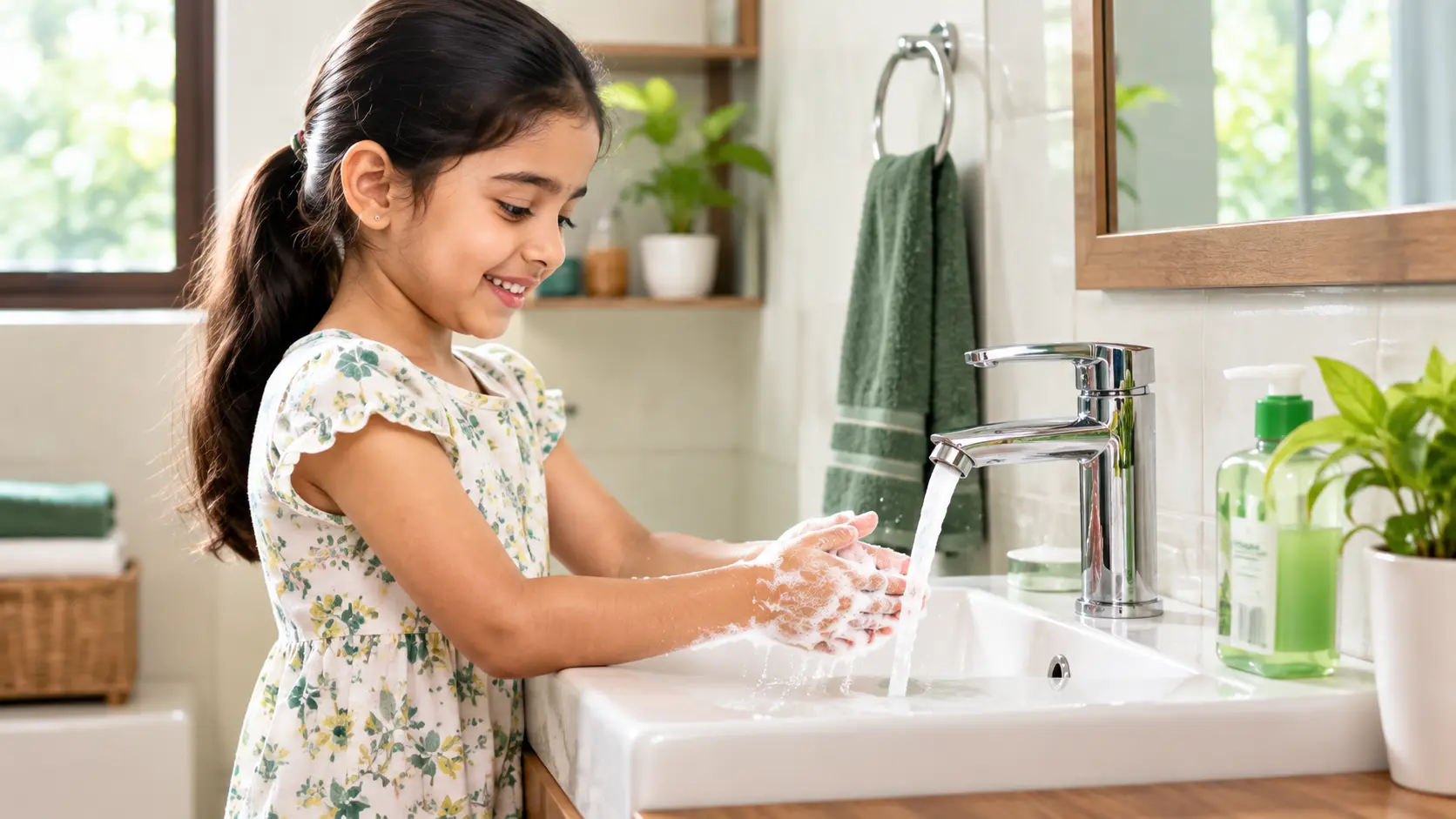
Personal hygiene, which includes the cleanliness of a person's body and clothes, proper lifestyle, healthy diet, rest, and exercise, basically means the cleanliness of your body. Good personal hygiene means keeping all parts of the physical body clean and healthy. It is an essential part of maintaining both physical and mental health.
The bodies of people who practice poor personal hygiene provide an ideal environment for the growth of germs, making them susceptible to infection. The main goal of personal hygiene is to improve or enhance personal standards of cleanliness in people's living conditions.
Some practices of personal hygiene include bathing, washing clothes, handwashing, proper use of toilets, care of teeth, nails, and feet, personal grooming, maintaining good habits while spitting, sneezing, or coughing, and instilling cleanliness habits at an early age.

The purpose of environmental hygiene is to create safe spaces to prevent diseases. In general, environmental hygiene includes disinfection activities, as well as fumigation activities to control harmful organisms and bacteria that threaten health.
When the environment is polluted with toxic waste through spitting or vomiting, the state is responsible for the relevant cleaning of the environment utilizing companies working in the field of environmental hygiene. In this way, children and other people using the same street are protected from getting sick by coming into contact with such waste.
Environmental hygiene takes care of the health of both present and future generations.
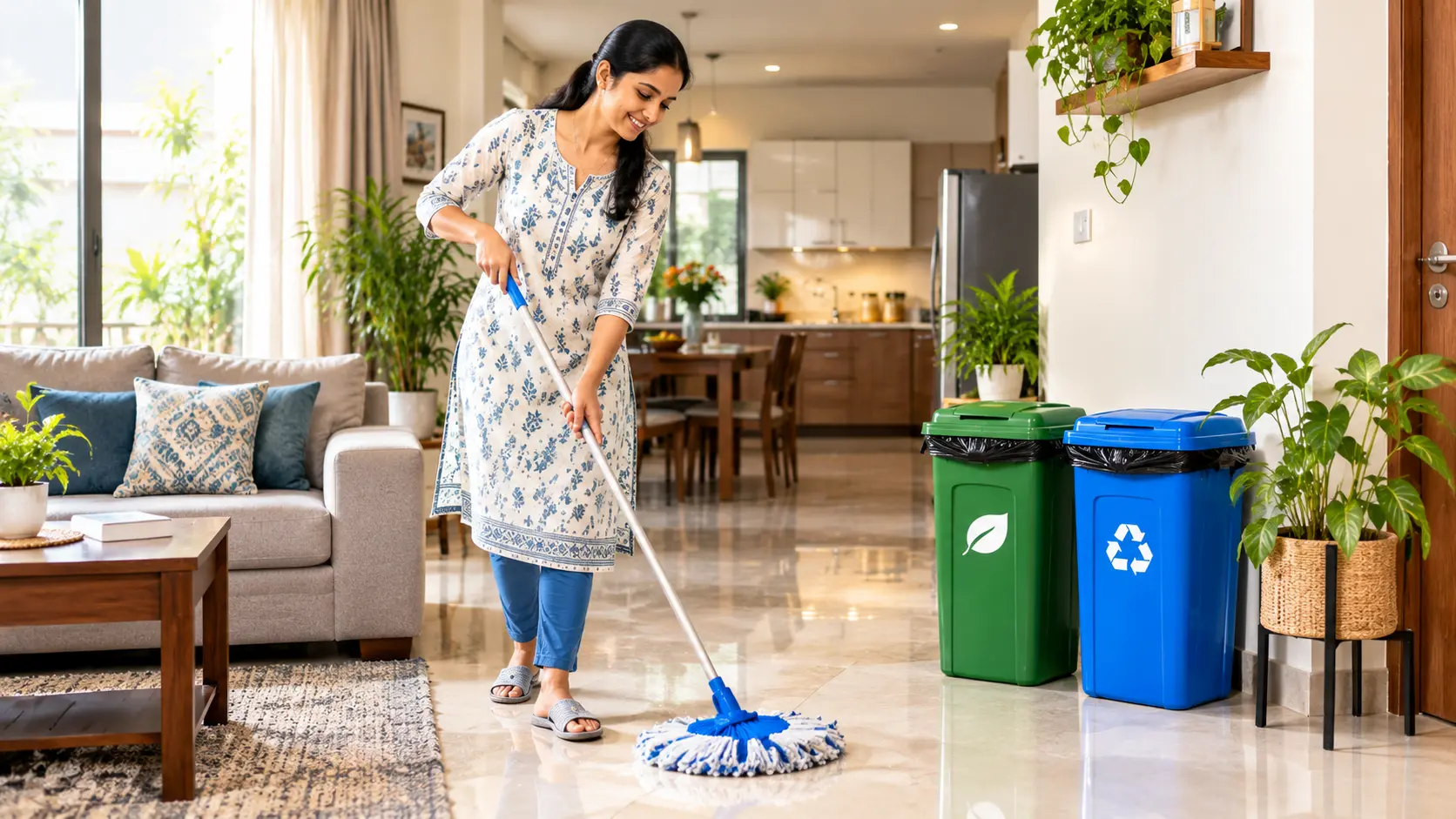
Household hygiene, which includes cleaning, hygienic preparation of food, and ventilation, generally means cleanliness in homes. Household hygiene includes all the work done to keep people's clothes, bedding, and homes clean. These activities include washing clothes and bedding, cleaning toilets, cleaning floors, and washing dishes after meals.
Keeping the house clean is important so that it remains a healthy space. In cases where the house and the things in it are not cleaned often, dirt and moisture accumulate, making the house ideal for breeding parasites, germs, and disease-spreading animals. These germs can cause infections or illnesses in the people living in the house.
Household hygiene also includes the use of soap, proper ventilation, fresh air, hygiene in food storage, proper waste disposal, and keeping household pests, mice, and insects away.

The biggest risk to the health of the population is contaminated food. It is a major cause of disease outbreaks and infections. Food kept for a very long time contains germs or toxic chemicals, while raw foods like vegetables and fruits can be contaminated by flies, dirty hands, or impure water.
Improperly prepared food can also cause chemical toxicity. For example, improperly ground and cooked cassava leaves can contain dangerous cyanide levels.
Therefore, to promote good health and prevent severe illnesses, food must be properly prepared, handled, and safely stored at all times.